New Build
Custom Home vs. Volume Builder: Real Costs, Timelines, and the ‘Architect Trap’
By Connor Jones Team · 11 December 2025 · 10 min read
Building a new home in New Zealand is likely the biggest financial decision you will ever make. Yet most people start the process by asking the wrong question.
They ask: “Can I afford a custom home?”
The better question—and the one that saves you from financial heartbreak later—is: “Can I afford the hidden costs and rigid limitations of a standard build on my specific section?”
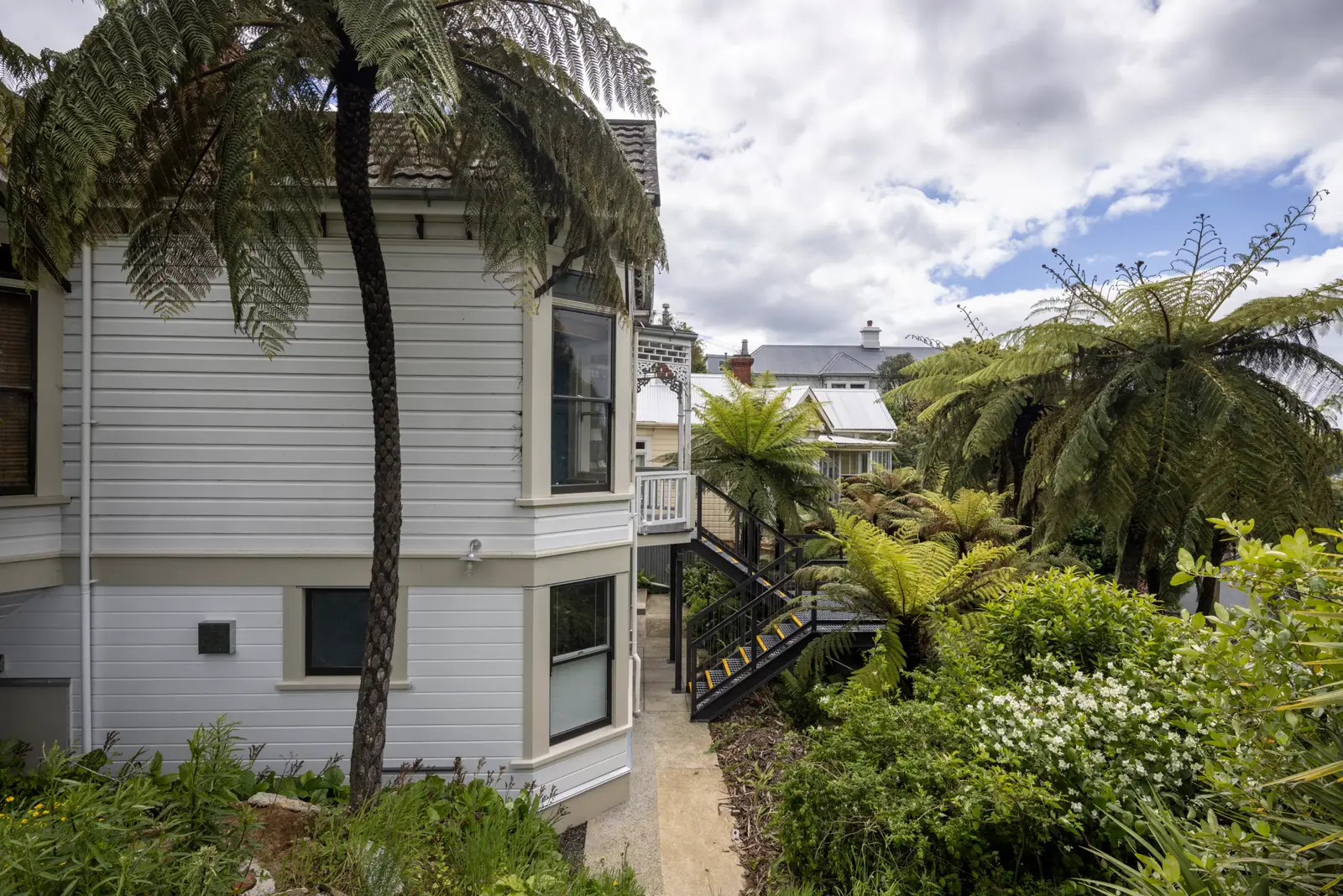
If you own a flat, square paddock in a new subdivision, a volume builder (often called a “Group Home Builder” in NZ) might be a perfect choice. If you are building on a hill in Dunedin, or want a home that performs better than the building code minimum, the “standard” path is often a false economy.
This guide explains the real difference between buying a “product” (Volume) and creating a “project” (Custom). It also details how to avoid the traps that catch out many Kiwi families.
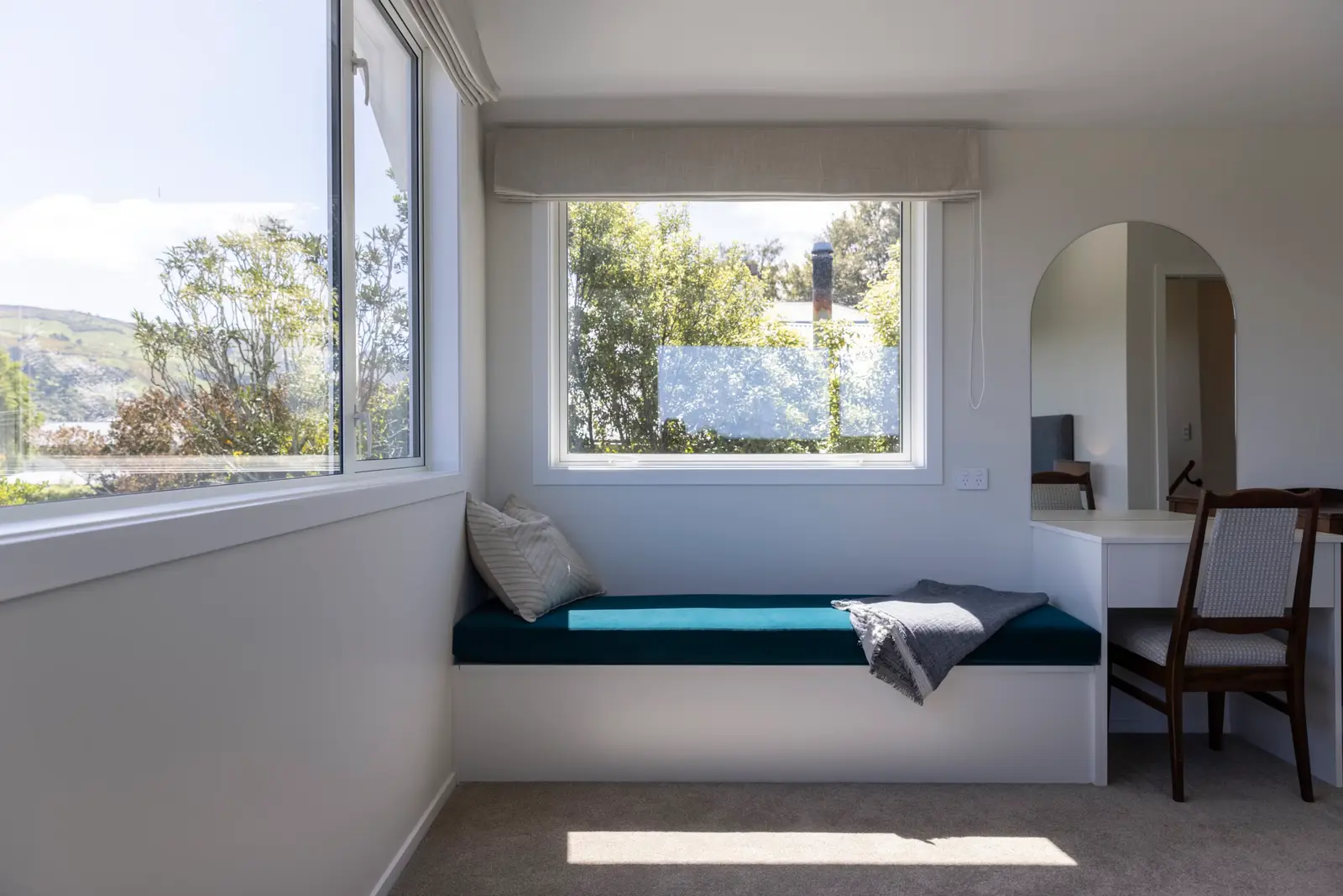
The Fundamental Difference: ‘Product’ vs. ‘Project’
To understand the difference, look past the marketing brochures. You need to look at the business models. The two types of builders operate in fundamentally different ways.
Think of it like dining out.
The Volume (Standard) Builder: The “Set Menu”
A volume builder operates like a franchise restaurant. They have a set menu—their catalogue of plans—and a highly efficient kitchen designed to cook only those meals.
- The Pro: It is fast. The sticker price is low because they buy ingredients in bulk.
- The Con: You cannot change the menu. If you want to move a wall, change the cladding, or upgrade the insulation, you disrupt their system. This triggers “Variation Fees” (or “Variations”). These administrative costs can quickly blow out your budget.
- The Reality: The house is designed to fit the market, not your land.
The Custom Builder: The ‘Private Chef’
A residential building specialist operates like a private chef. You do not start with a menu. You start with a discussion about your budget, your land, and your tastes.
- The Pro: The home is designed specifically for your site’s sun, slope, and views. You have total control over where your money goes. You might choose to spend more on high-performance glazing and less on tapware.
- The Con: It requires more involvement from you in the planning stages.
- The Reality: The house is designed to fit you and your specific block of land.
The ‘Architect Trap’: Why You Should Talk to a Builder First
The Scenario: You hire an independent architect or draughtsperson. You spend months and $20,000+ designing your dream home. You fall in love with the plans. Then you take those plans to a builder for a price.
The Result: The quote comes back $200,000 over your budget.
Why does this happen? Architects are trained to design beautiful spaces. They do not buy timber and steel every day. They often do not see the price rises in materials until it is too late. When the budget does not match the design, you have two bad options: pay the extra money you do not have, or pay the architect again to re-draw the plans.
The Solution: Pre-Construction Collaboration To avoid the “Architect Trap,” you must involve your builder during the design phase, not after. This is called Pre-Construction.
When a builder is at the table during design, they can say: “If we move that wall 300mm, we can use standard truss sizes and save you $5,000,” or “That cladding is currently on an 18-week delay; let’s switch to this alternative.”
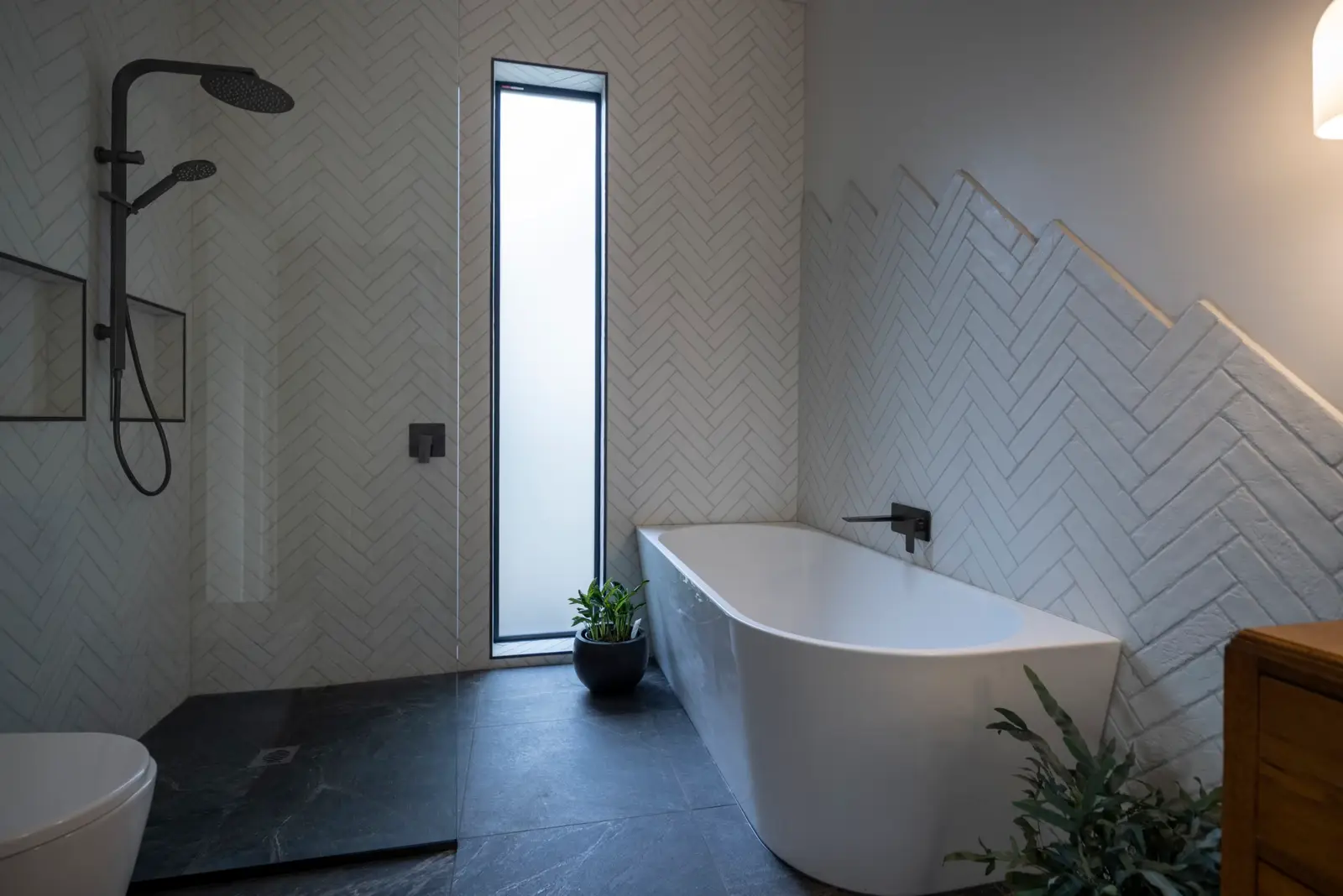
Breaking Down the Costs: Sticker Price vs. Finished Cost
We often hear the question: “What is the cost to build a custom home in NZ vs. a standard build?”
In the custom world, the “square metre rate” is a dangerous myth. A 200m² home with a simple truss roof on a flat slab might cost $3,000/m². That same 200m² home on a hill, with architectural glazing and a structural steel frame, might cost $4,500+/m².
Volume builders can offer lower rates because they average their costs over hundreds of identical homes. Custom builders price the specific engineering of your home.
Understanding the ‘Base Price’
Volume builders often advertise a low Base Price to get you in the door. This price usually excludes the “hard stuff” required for New Zealand conditions:
- Earthworks and retaining walls.
- Driveways and hard landscaping.
- Council fees and levies.
- Waste removal.
By the time you add these essential items plus the upgrades you actually want, the final price is often 20–30% higher than the brochure.
The Hidden Killer: Provisional Sums (PC Sums)
Be very careful with “Provisional Sums” (or PC Sums) in volume contracts.
A PC Sum is an allowance for work where the final cost is not yet known. If a volume builder has not done a geotechnical report on your specific site, their foundation price is just a guess.
In New Zealand’s seismic and volcanic soil conditions, that guess can be an expensive mistake. If they allow $20,000 for foundations but hitting rock costs $50,000, you pay the difference.
The New Zealand Government’s guide to the stages of the building process specifically warns homeowners to understand these contract tags before signing. If the builder hasn’t inspected the ground, the contract price is not real.
Comparison Table: Where the Money Goes
| Feature | Volume / Group Builder | Custom build: what to confirm |
|---|---|---|
| Initial Deposit | Low ($1k – $3k). Designed to sign you up quickly. | Confirm the deposit, payment milestones and what each payment covers in the written agreement. |
| Site Costs | Often “Provisional” (Estimated). You take the risk on soil/rock. | Ask which ground conditions, earthworks and foundations are included, excluded or covered by allowances. |
| Design Flexibility | Low. “Select from these 3 options.” | Agree the design, specifications and selections before pricing; document later changes and their cost and timing. |
| Engineering | Minimal. Standard generic slabs. | Establish the site-specific structural and foundation requirements with the designer and relevant specialists before final pricing. |
| Change Orders | Expensive. They discourage changes. | Use the agreed variation process to record scope, price and programme changes before the changed work proceeds. |
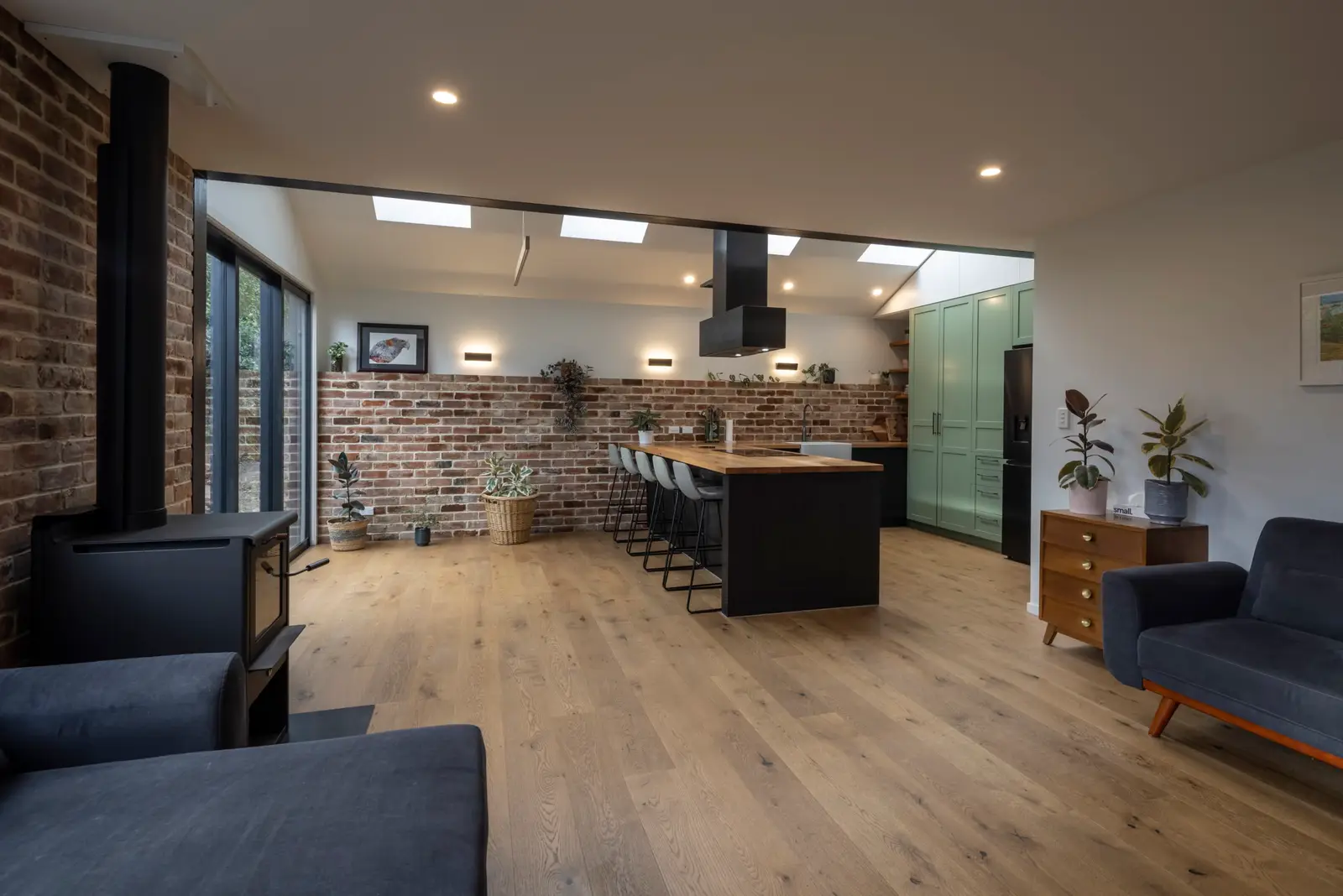
Determining Your Path: A Decision Framework
Not everyone needs a custom home. Use this “Fork in the Road” guide to decide which path suits your situation.
Scenario A: The Volume Path
This is likely the right choice if:
- You have a flat, square section in a new subdivision with good soil.
- You are happy with a standard layout (e.g., 4 bed, 2 bath, double garage).
- You are building an investment property and resale margin is the only priority.
- You do not have strong preferences for specific materials or eco-performance.
Scenario B: The Custom Path
This is likely the right choice if:
- Your site is difficult: You have a slope, a narrow access, or a unique shape.
- You have specific lifestyle needs: You need a scullery, a media room with acoustic walls, or a layout for multigenerational living.
- You value performance: You want a home that is warmer, drier, and healthier than the Building Code minimum (e.g., Passive House principles).
- You want longevity: You want materials that last 50 years, not 15.
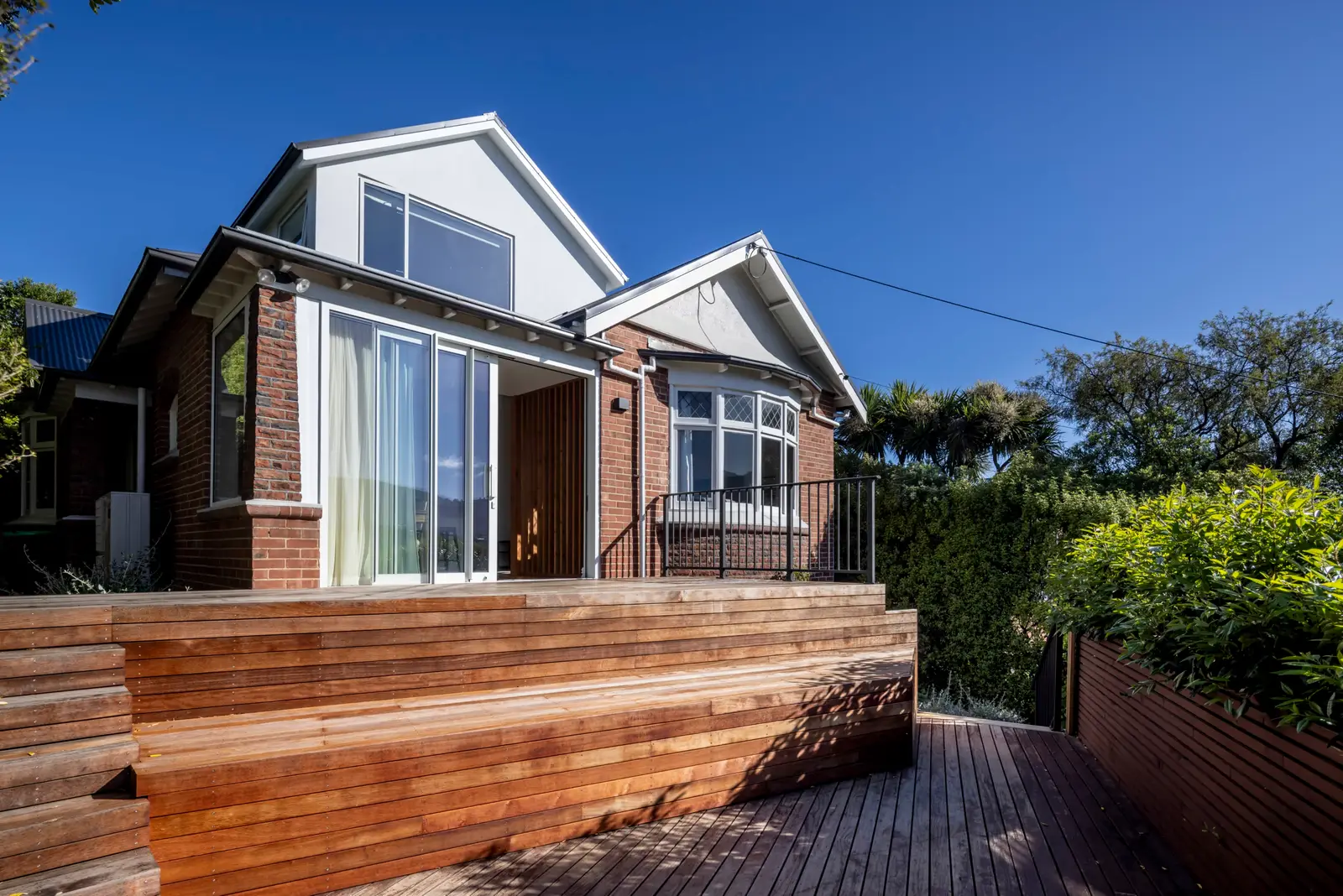
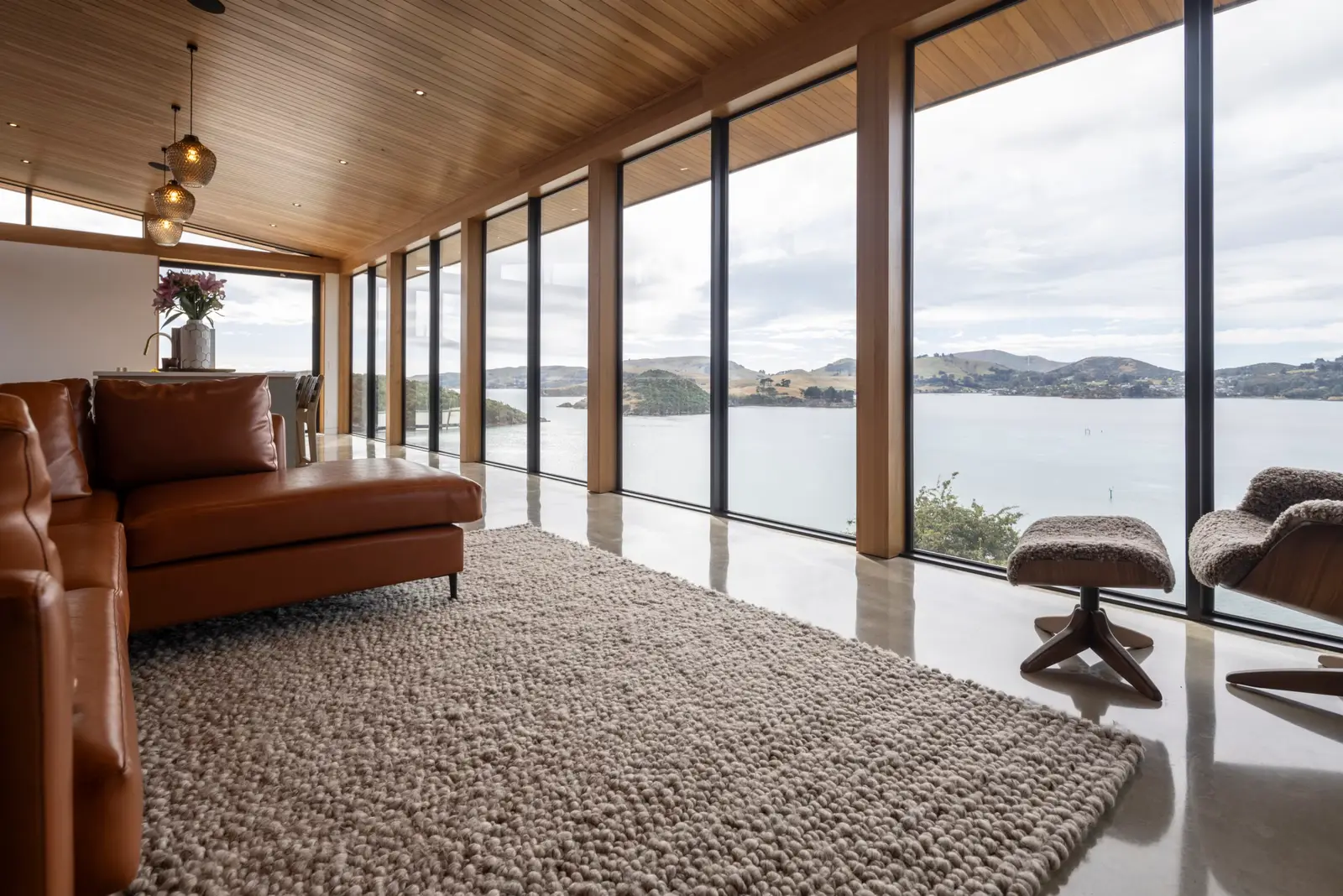
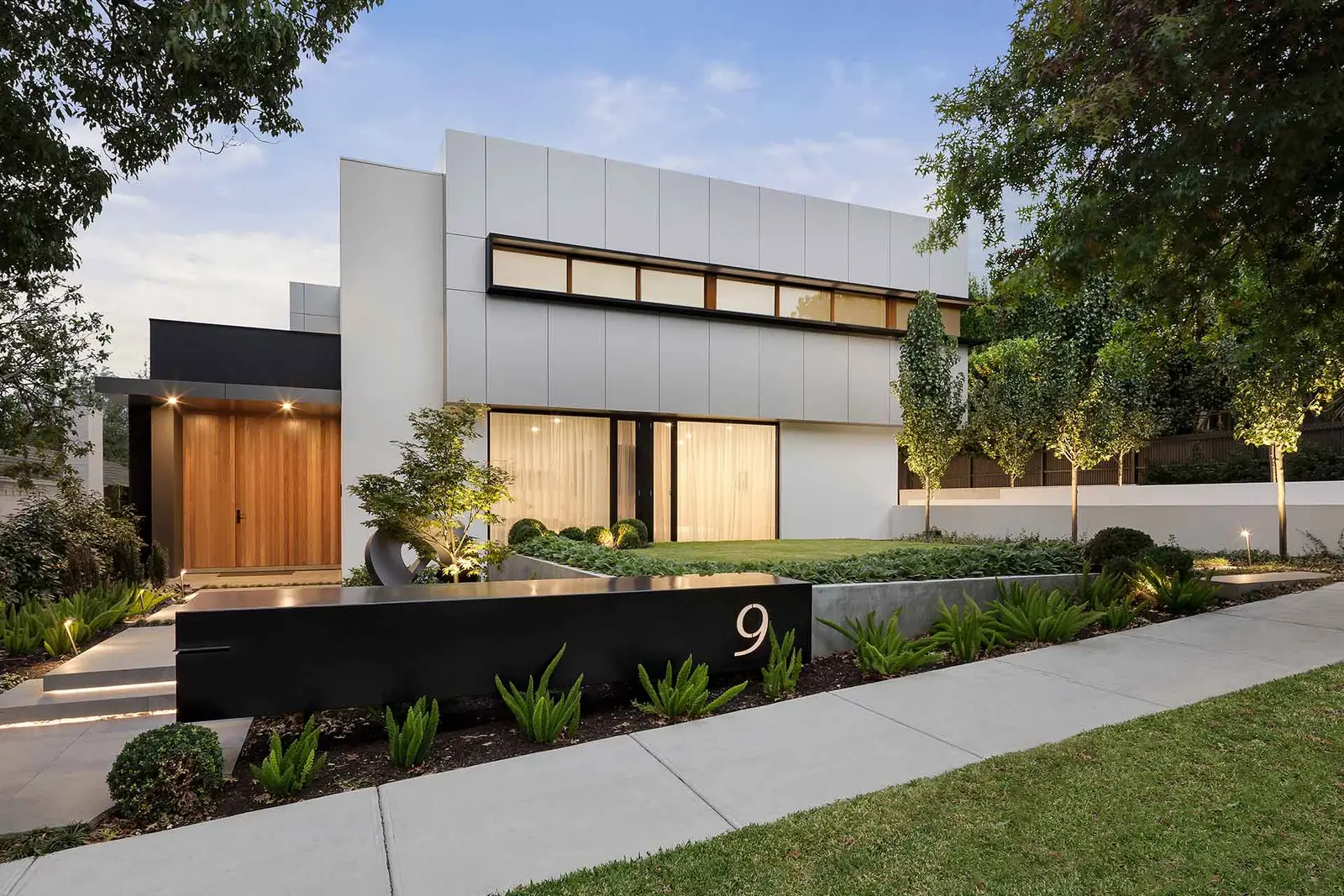
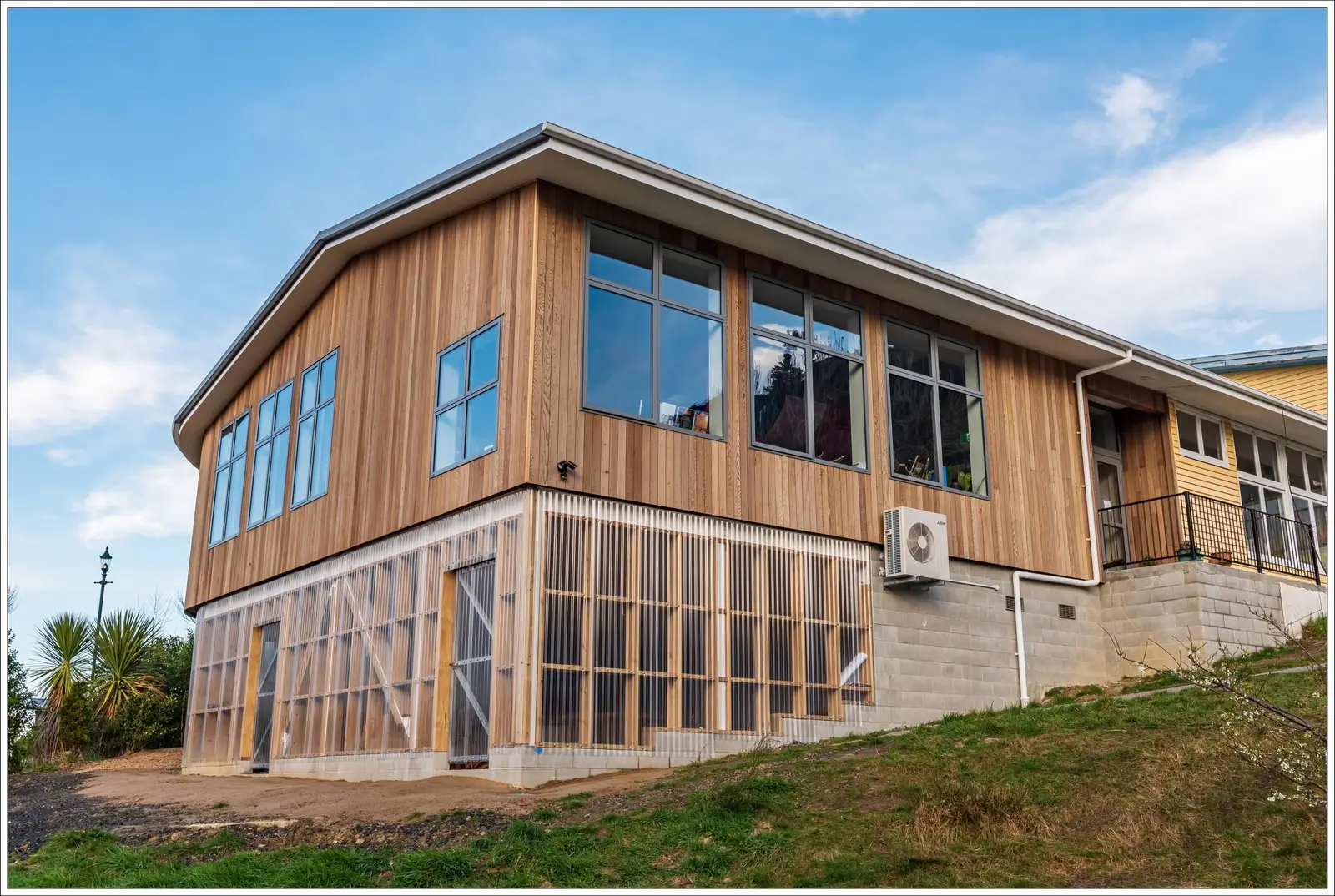
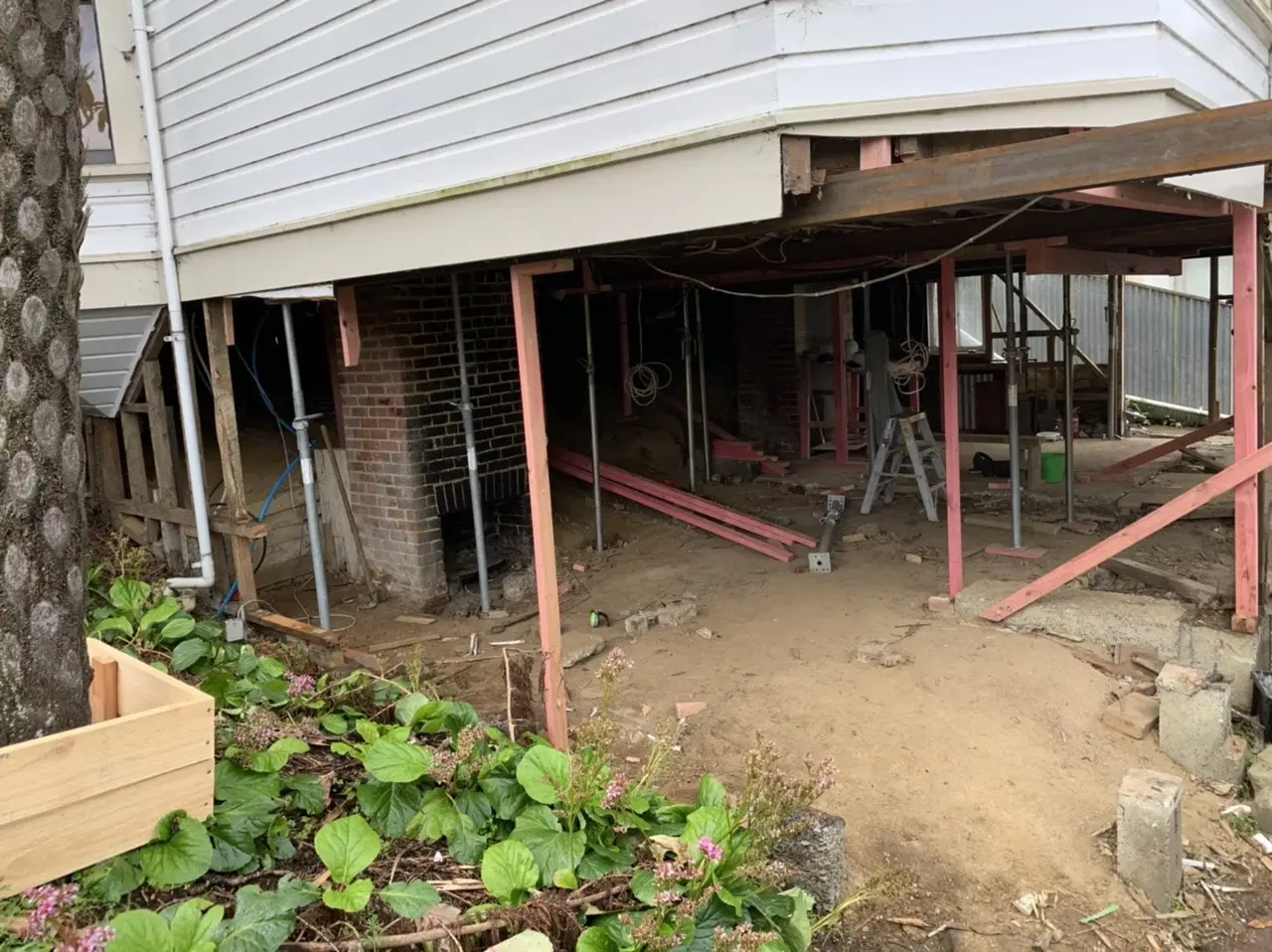
If you aren’t sure what “Scenario B” looks like in reality, take a look at our projects gallery.
Timeline Expectations: Speed vs. Efficiency
It is a common misconception that custom homes take forever to build. In reality, the construction phase is often smoother than a volume build because the planning is better.
Phase 1: Pre-Construction (The Planning)
- Volume: Fast (4–8 weeks). The plans already exist.
- Custom: Slower (3–6 months). This includes Feasibility, Concept Design, Engineering, and Consents.
Phase 2: Construction (The Build)
- Volume: Variable. If you try to change something on site, everything stops.
- Custom: Efficient (6–12 months depending on size). Because every detail was resolved on paper first, the build team can move fast without stopping to ask questions.
The goal is a seamless run from the first pour of concrete until the Code Compliance Certificate (CCC) is issued. Early coordination of the design, structure and selections supports a workable construction programme.
Contracts and Risk: What You Need To Know
Fixed Price vs. Cost Plus
Banks generally prefer Fixed Price contracts because they provide certainty. However, a Fixed Price is only as good as the engineering behind it.
This reduces the “tags” and exclusions in your contract.
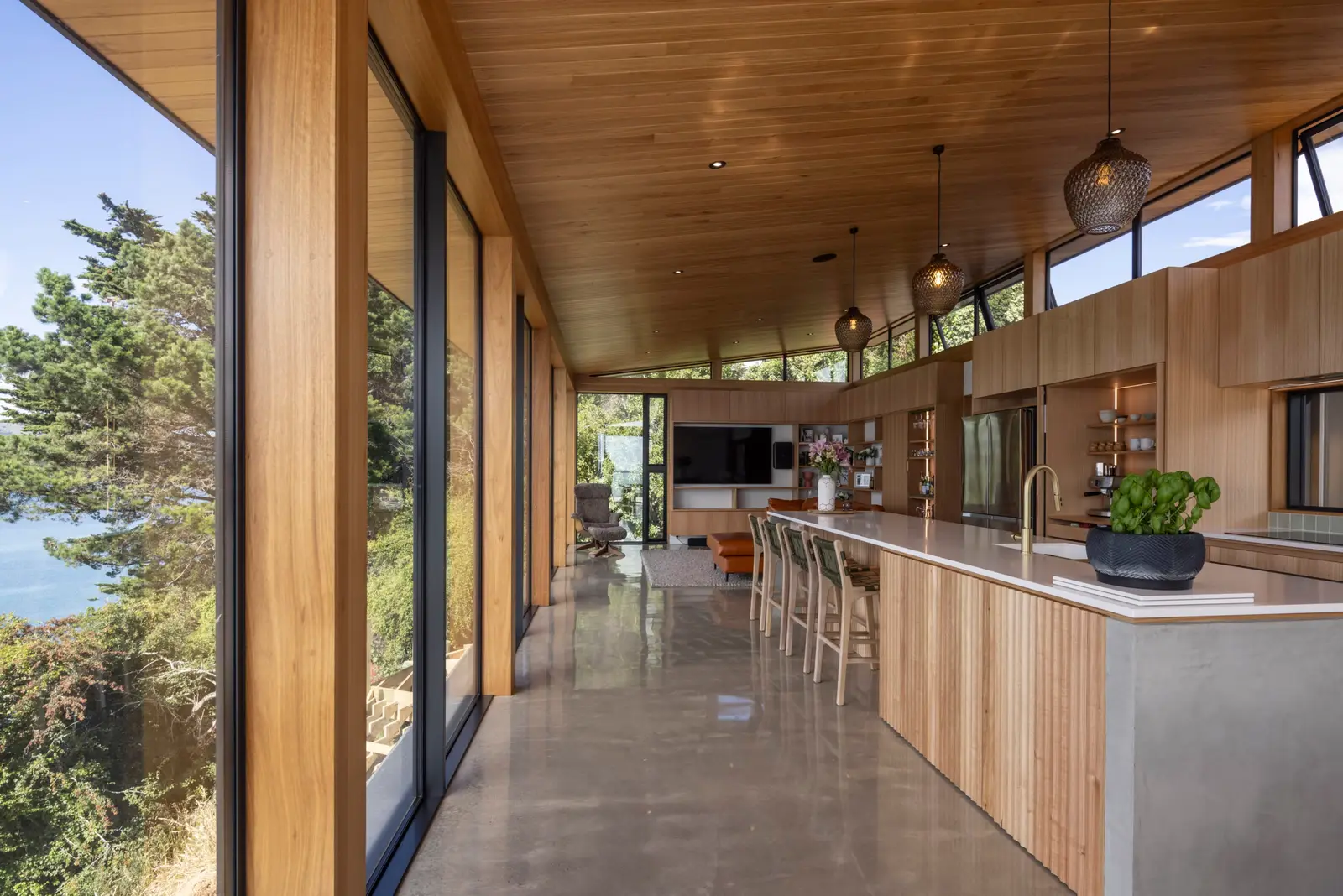
Building, Engineering and Fabrication for Your Custom Home
We provide residential building, engineering and fabrication services.
Your home’s design determines how these services fit into the build. Larger openings, structural changes and custom components can introduce specific requirements for engineering, fabrication and installation.
The plans, site conditions and agreed scope establish the work your project needs.
Frequently Asked Questions
Conclusion
Building a home is a journey, not just a transaction.
While a volume builder offers the certainty of a fixed product, a custom builder offers the certainty of an outcome that fits your life. You should not have to choose between a beautiful home and a budget you can afford. With the right planning and the right team, you can have both.
Do not guess at the cost of your future. Book a consultation with Connor Jones Group today. Let’s start planning your project with real numbers and expert advice.
10 min read
In This Article
- The Fundamental Difference: ‘Product’ vs. ‘Project’
- The ‘Architect Trap’: Why You Should Talk to a Builder First
- Breaking Down the Costs: Sticker Price vs. Finished Cost
- Comparison Table: Where the Money Goes
- Determining Your Path: A Decision Framework
- Timeline Expectations: Speed vs. Efficiency
- Contracts and Risk: What You Need To Know
- Building, Engineering and Fabrication for Your Custom Home
- Frequently Asked Questions
- Conclusion
Recent Posts
Ready To Start Your Project?
Explore what we build, or get an instant price range in about 5 minutes.
View Our ServicesGet Your Free Estimate